
Ocean-to-River Private Club Living Within a Certified Audubon Sanctuary on Florida’s Coast
Each winter, they arrive quietly.
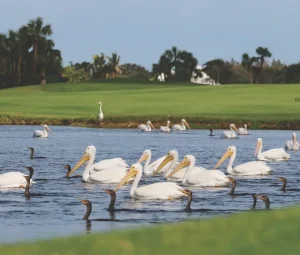
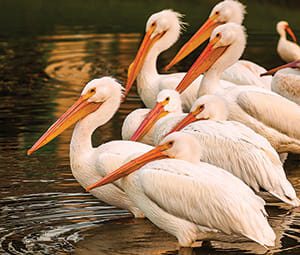
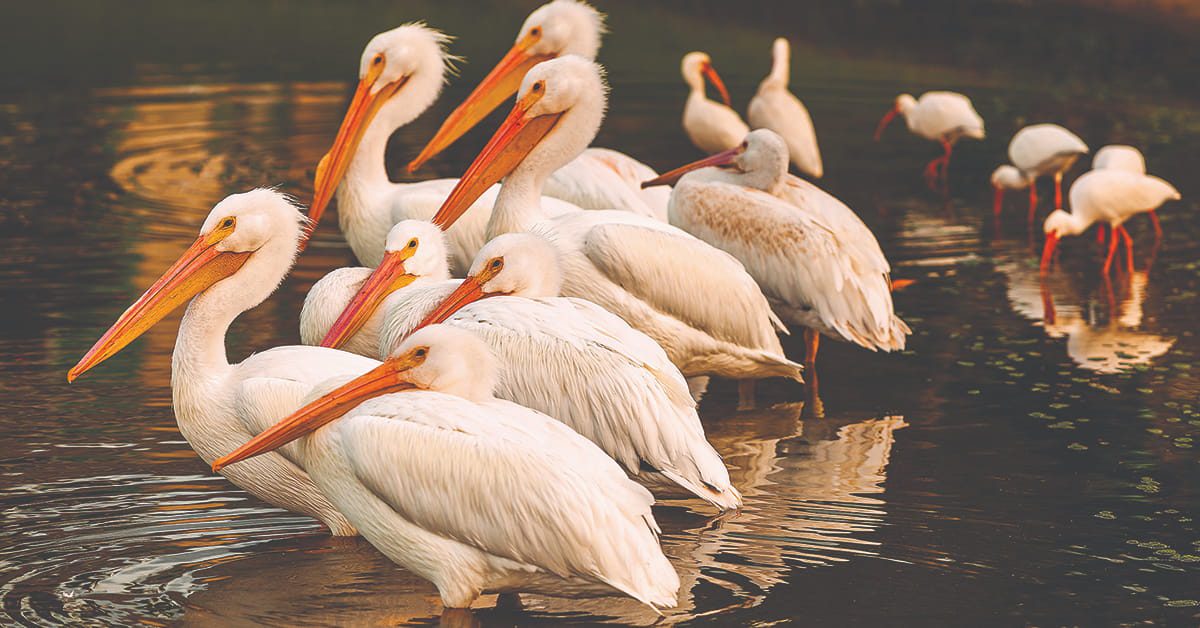
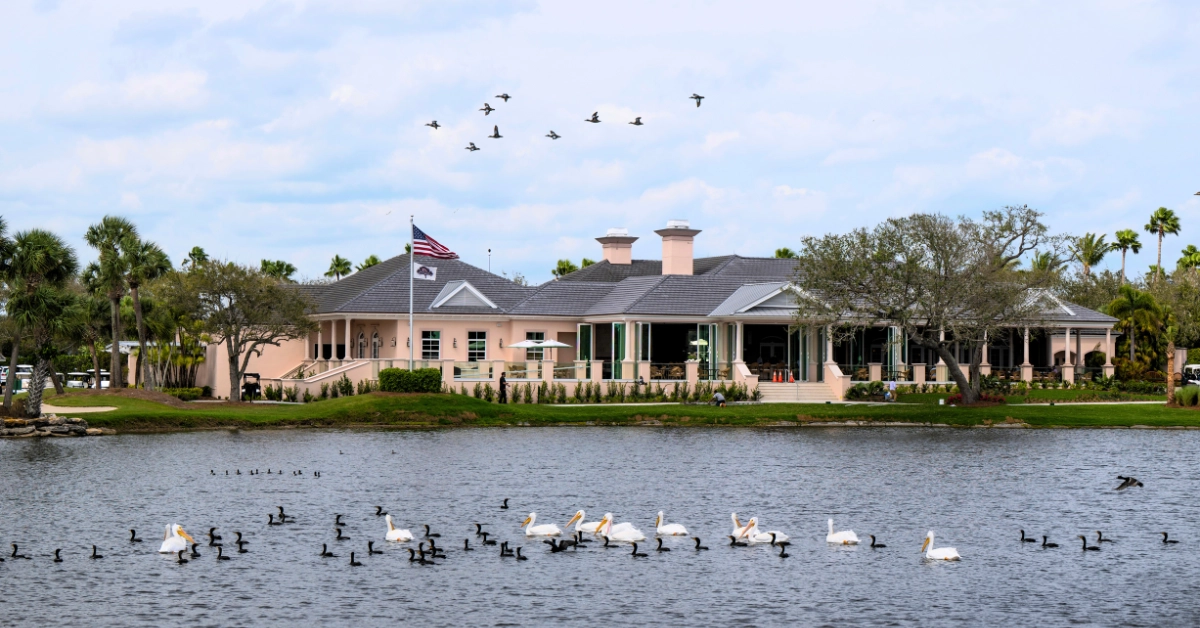
White pelicans — broad-winged and unmistakable — descend onto the lakes and preserved edges of Florida’s eastern coastline. Their presence is not dramatic. It is steady. Expected. A seasonal rhythm that signals something deeper: balance.
Along a rare stretch of ocean-to-river barrier island on Florida’s Treasure Coast, their return has become part of daily life at the Orchid Island Club. Not as spectacle. Not as marketing language. But as evidence of an environment that has remained intact.
In a state where coastal development often races ahead of restraint, there are few places where wildlife patterns continue undisturbed. Fewer still where private club living exists within that landscape rather than in contrast to it.
Orchid Island is one of them.
A Barrier Island Shaped by Water
To understand why the pelicans return, you have to understand the geography.
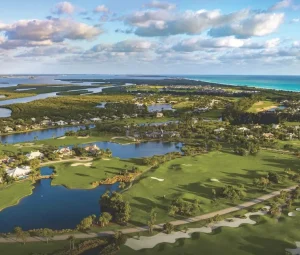
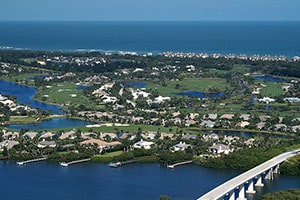
Orchid Island occupies a rare ocean-to-river barrier island — bordered by the Atlantic Ocean to the east and the Indian River Lagoon to the west. This dual-water setting creates more than views. It creates ecological diversity. Salt air, protected estuary, migratory pathways, native vegetation.
Barrier islands along Florida’s east coast have largely been developed to capacity. High density, commercial corridors, and phased expansion have altered many of them permanently. What remains here is different — a fully realized private club community intentionally limited to just 375 residences, woven into preserved coastal landscape rather than built over it.
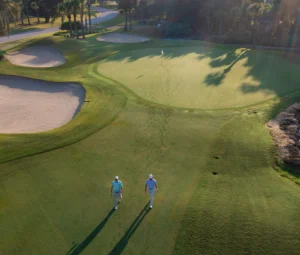
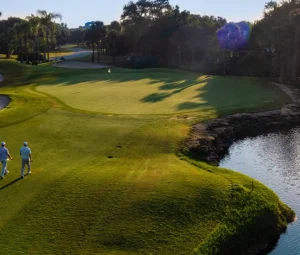
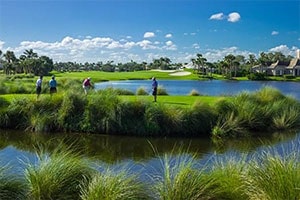
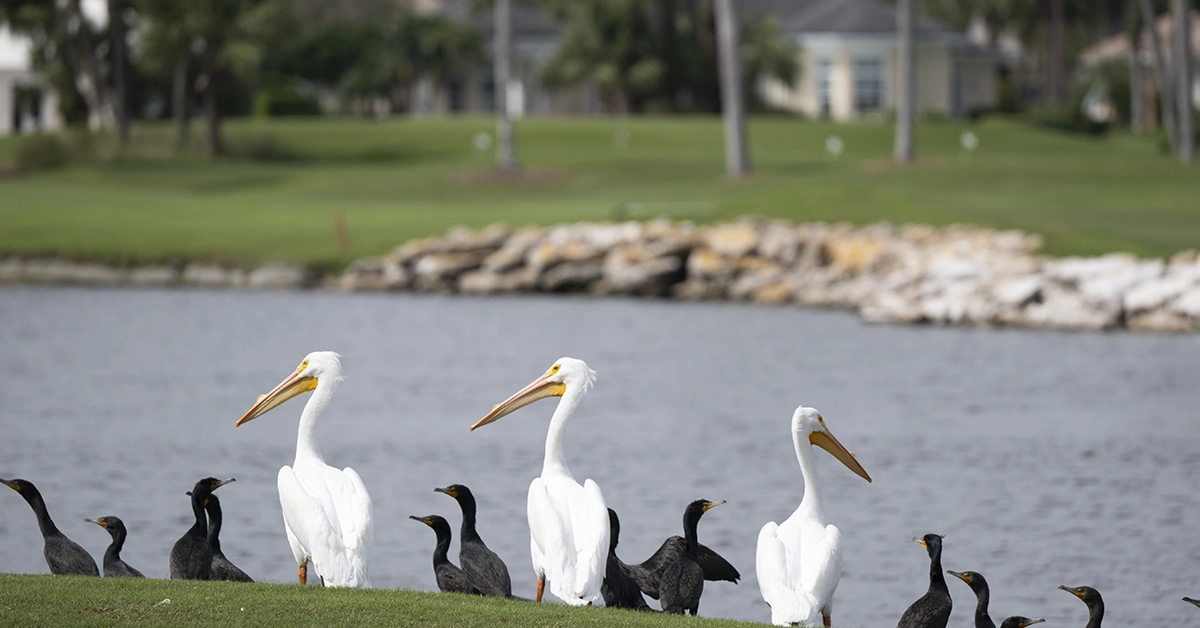
Ocean breezes move across fairways designed by Arnold Palmer. Native plantings edge freshwater lakes. Wading birds trace the shoreline. The Indian River Lagoon — one of the most biologically diverse estuaries in North America — rests just beyond the western horizon.
It is this balance of Atlantic exposure and inland protection that shapes life here.
And it is why wildlife continues to return.
What It Means to Be an Audubon Sanctuary
The Orchid Island Club’s golf course is designated as a Certified Audubon Sanctuary — a recognition that reflects long-standing environmental stewardship within the community.
An Audubon certification is not ornamental. It acknowledges responsible land management, habitat preservation, and the integration of natural systems within the built environment. For private golf communities in Florida, this designation remains relatively rare.
At Orchid Island, it signals something foundational: that the golf experience and the surrounding ecology were designed to coexist.
The Arnold Palmer–designed championship course emphasizes walkability, thoughtful routing, and strategic play. It is not a landscape forced into the barrier island. It follows its contours. Lakes and preserved corridors remain active habitats. Native vegetation provides natural framing rather than manicured excess.
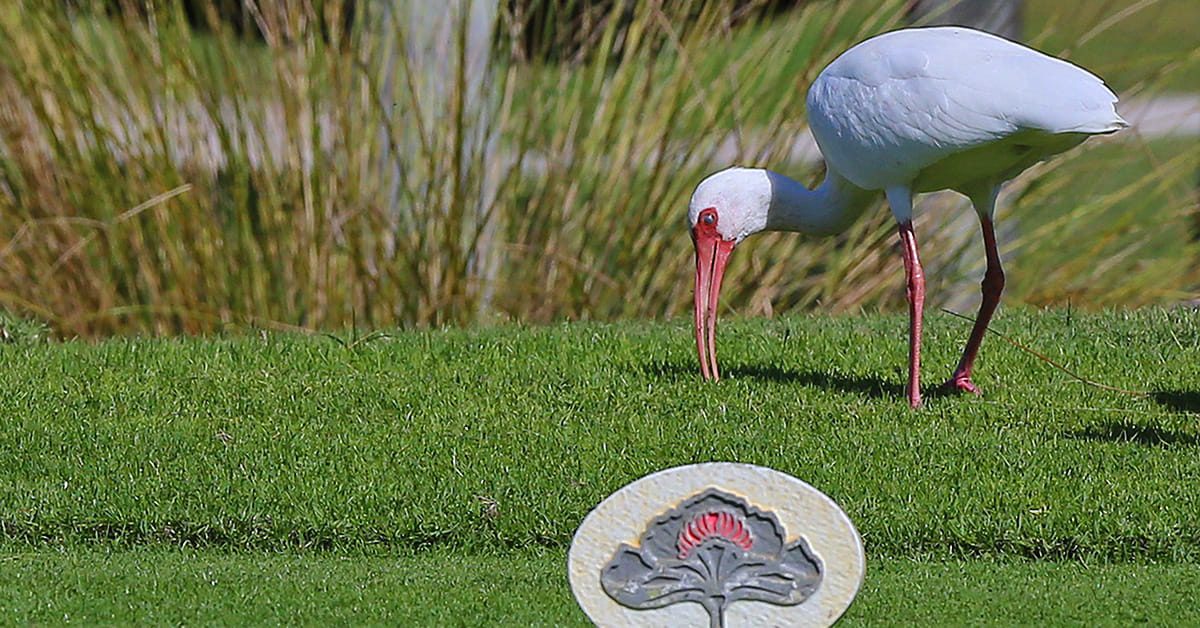
For residents, this means that morning rounds are often accompanied by herons, osprey, and seasonal migratory birds. The landscape feels alive.
The white pelicans are perhaps the most visible expression of that continuity.
Wildlife as Daily Rhythm
In many Florida coastal communities, wildlife is a selling point. Here, it is a daily presence.
The return of the white pelicans marks the change of season. They gather along calm waters, their bright plumage distinct against blue sky and native grasses. Residents notice, but they are not surprised.
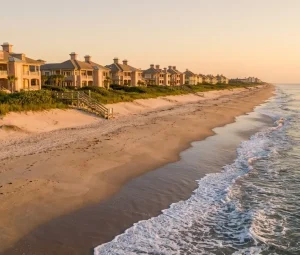
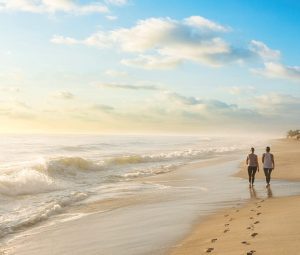
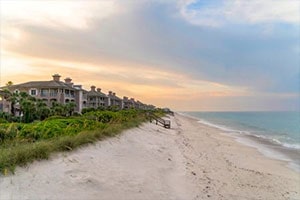
Preserved natural areas and walking paths weave throughout the community, encouraging quiet engagement with the landscape. Kayaks launch into the lagoon’s protected waters. The Atlantic shoreline — nearly a mile of private beachfront reserved for members — remains uncrowded and unhurried.
The experience is not resort-driven. It is lived.
This distinction matters for those evaluating private club living in Florida. Increasingly, high-net-worth buyers are seeking environments that feel settled rather than accelerated. Places where overdevelopment has not altered the essential character of the coast.
An ocean-to-river sanctuary offers something different from high-density coastal markets farther south. It offers continuity.
A Florida Coast That Cannot Be Reassembled
Opportunities to create new private golf and beach clubs on Florida’s barrier islands have effectively disappeared. Environmental regulations, land scarcity, and coastal protections make it nearly impossible to replicate what was conceived here more than two decades ago.
Orchid Island is fully built out. There are no future phases. No expansion plans. No additional density.
What exists today represents the complete expression of the original vision — a low-density private club community anchored by golf, preserved by stewardship, and defined by its dual-water geography.
For buyers considering Florida coastal real estate, this distinction carries weight.
They are not evaluating a concept. They are stepping into a finished environment — one that has matured gracefully and maintained its ecological balance over time.
The pelicans return not because it is convenient, but because the conditions remain suitable.
That kind of predictability is increasingly rare.
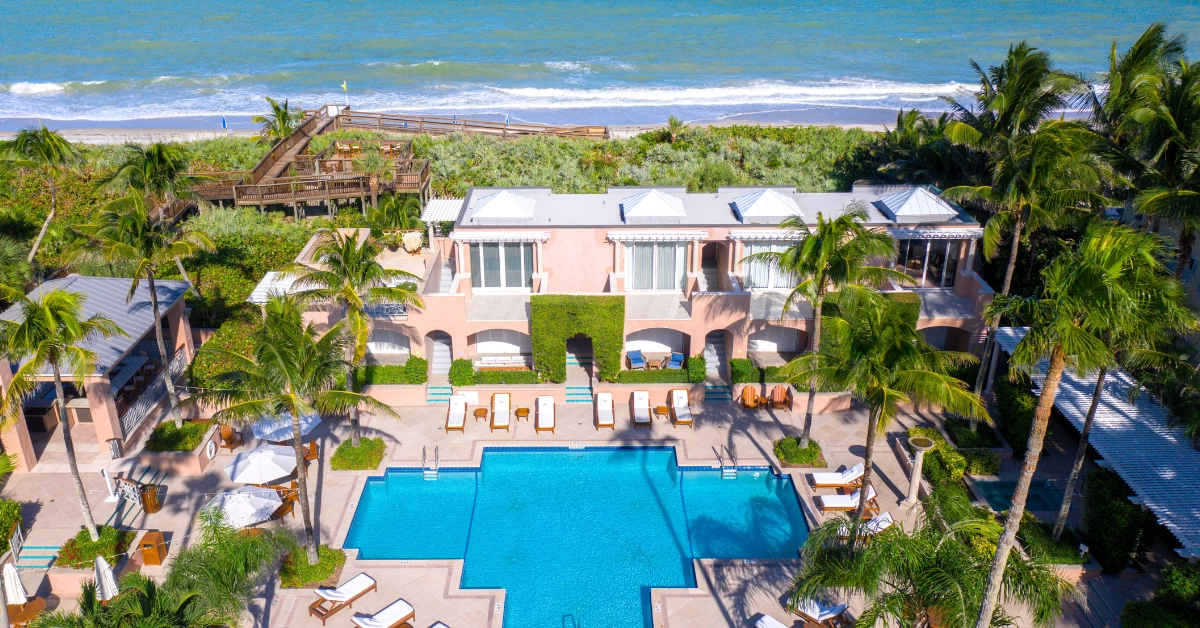
Life at The Orchid Island Club extends beyond the golf course.
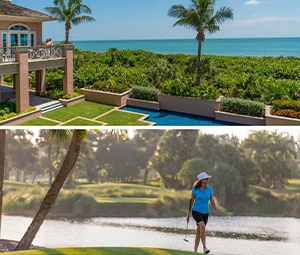
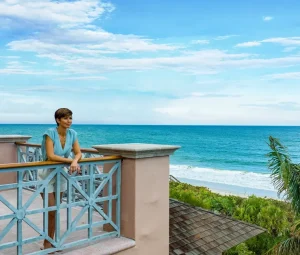
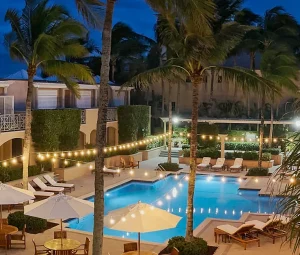
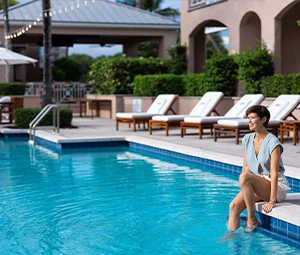
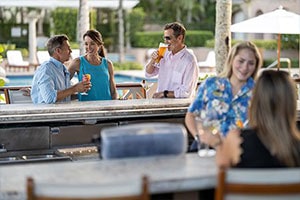
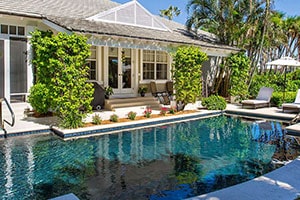
The Beach Club sits directly on the Atlantic, offering nearly a mile of private shoreline. An oceanfront pool, dining spaces elevated toward the horizon, and relaxed gathering areas create a setting that feels connected to the sea rather than separated from it.
To the west, protected waterways invite kayaking and quiet exploration. The broader 2.2-acre racquet and lawn sports complex integrates tennis, pickleball, croquet, and bocce within landscaped grounds that preserve the surrounding aesthetic. Fitness and wellness facilities support daily movement without spectacle.
The atmosphere remains welcoming and unforced — shaped by a membership that values familiarity over formality.
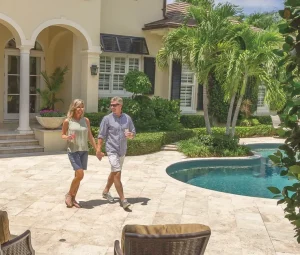
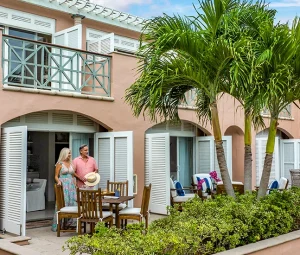
What distinguishes Orchid Island is not simply its amenities, but the way they coexist with the land. Architecture reflects timeless West Indies design, proportioned and integrated into mature vegetation. Residences range from oceanfront condominiums to custom estate homes, many oriented toward golf, water, or preserved natural vistas.
With just 375 residences across the entire community, scale remains intentionally restrained.
This restraint reinforces both privacy and environmental continuity.
Homes Within a Finished Coastal Landscape
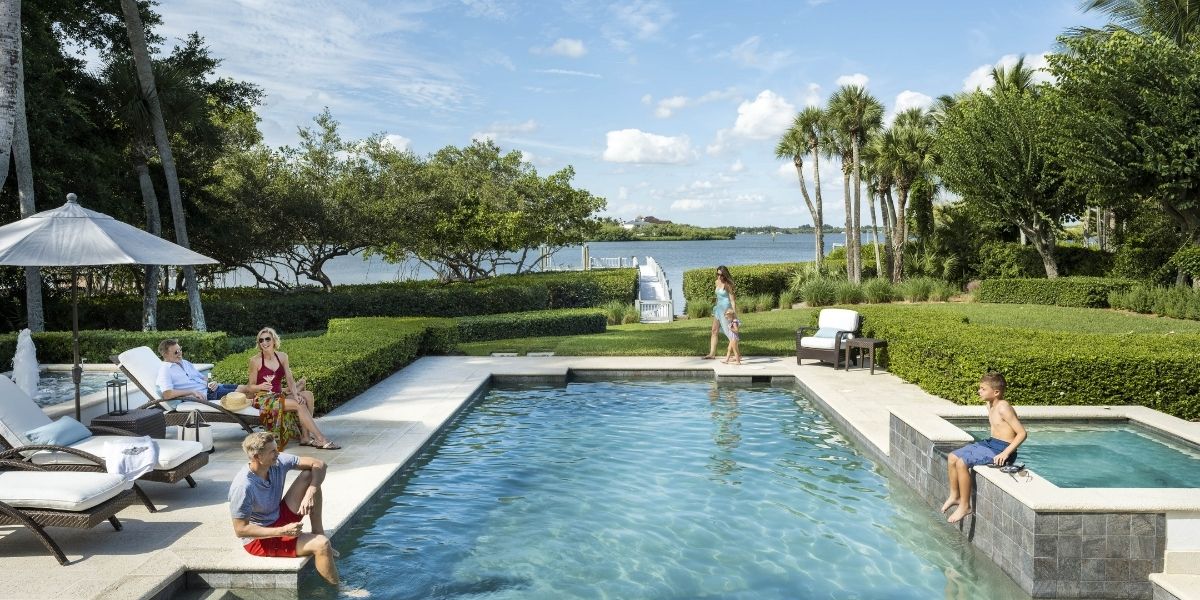
Ownership opportunities at Orchid Island exist exclusively within a mature resale market. The community is complete, and homes reflect architectural cohesion rather than phases of evolving style.
Beachside and oceanfront condominiums typically range from approximately 2,200 to 3,800 square feet. Single-family residences span roughly 2,500 to over 6,000 square feet, depending on orientation and design. Many properties capture views of the Arnold Palmer course, inland waterways, or the Atlantic itself.
For prospective buyers, membership in the Club is often central to the decision — aligning golf, beach access, wellness, and community within a single environment.
In a Florida market shaped increasingly by expansion and reinvention, Orchid Island offers something quieter: a private club community that feels established, preserved, and complete.
A Private Introduction
When the white pelicans return each season, they do not alter their course dramatically. They return to what remains dependable.
For those exploring private golf and beach club living on Florida’s coast, Orchid Island offers that same sense of continuity — an ocean-to-river sanctuary shaped by stewardship and restraint.
To learn more about current residences available within The Orchid Island Club, or to arrange a private introduction to the community, contact Orchid Island Realty.
Here, life unfolds within a landscape that still feels undisturbed — and has been carefully protected to remain that way.
For more information about current residences within The Orchid Island Club, or to arrange a private introduction to this ocean-to-river community, contact Orchid Island Realty at 772.388.3888 or visit OrchidIslandFL.com. A member of the real estate team can provide details on available homes, membership opportunities, and a confidential tour of the Club’s golf, beach, and preserved coastal landscape.
FAQ
What does it mean for a golf course to be a Certified Audubon Sanctuary?
A Certified Audubon Sanctuary designation recognizes responsible land management and habitat preservation within a golf environment. At The Orchid Island Club, the Arnold Palmer–designed course integrates native landscapes, preserved water features, and active wildlife corridors, allowing golf and ecology to coexist along Florida’s coast.
Are there private golf communities built within preserved coastal environments in Florida?
Yes, though they are increasingly rare. The Orchid Island Club occupies a fully built-out ocean-to-river barrier island on Florida’s Treasure Coast. With just 375 residences and Audubon certification, the community reflects long-standing environmental stewardship rather than phased expansion.
Why are white pelicans significant on Florida’s east coast?
White pelicans are seasonal migratory birds that return to specific coastal habitats where water quality, protected shoreline, and ecological balance remain intact. Their annual presence at Orchid Island reflects the preserved conditions of the surrounding barrier island and lagoon environment.
What is an ocean-to-river barrier island community?
An ocean-to-river community occupies land bordered by the Atlantic Ocean on one side and inland waterways such as the Indian River Lagoon on the other. This dual-water geography provides both open coastal exposure and protected estuarine access, shaping a distinct environmental and lifestyle experience.